PENCIL
The archivist's choice
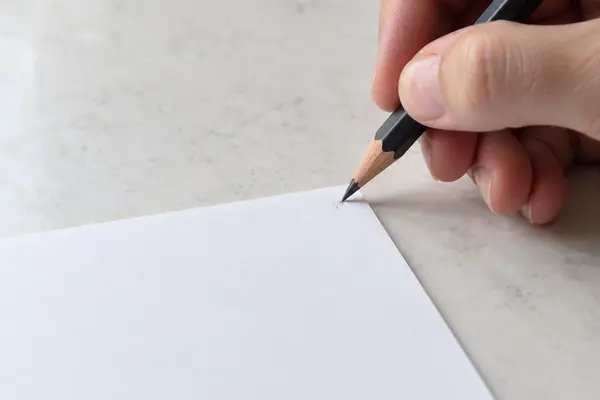
Graphite is a stable medium, though it smudges. The Library of Congress advises using pencil, not ink, to make any marks or inscriptions on works on paper.
Check your pen doodlewrite
WHAT CONSERVATORS SAY
Not every line you write is built to last.
Check your pen
PIGMENTbeats dye for lasting
Library conservators sort writing media by what colours them: stable pigments such as carbon black, or dyes that fade in light and run when damp. That one difference decides whether a recipe card, a diary or a label is still readable decades later.
At a glance
c. 2500 BCE
Carbon black ink in use since
Carbon pigment ink is the earliest type of ink, first made from charcoal and later from soot. Good quality carbon inks do not discolour with age.
CARBON BLACK · UNIVERSITY OF ILLINOIS
4
Main ingredients in most recipes
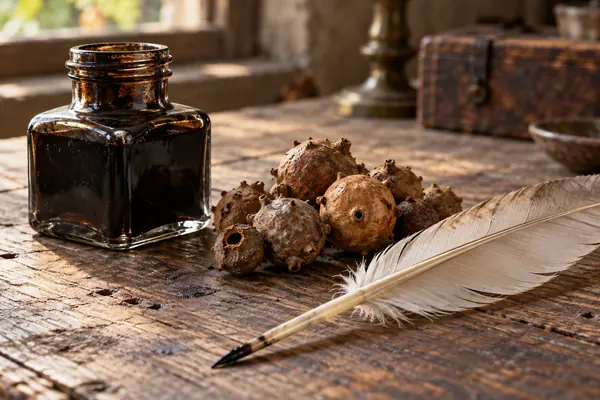
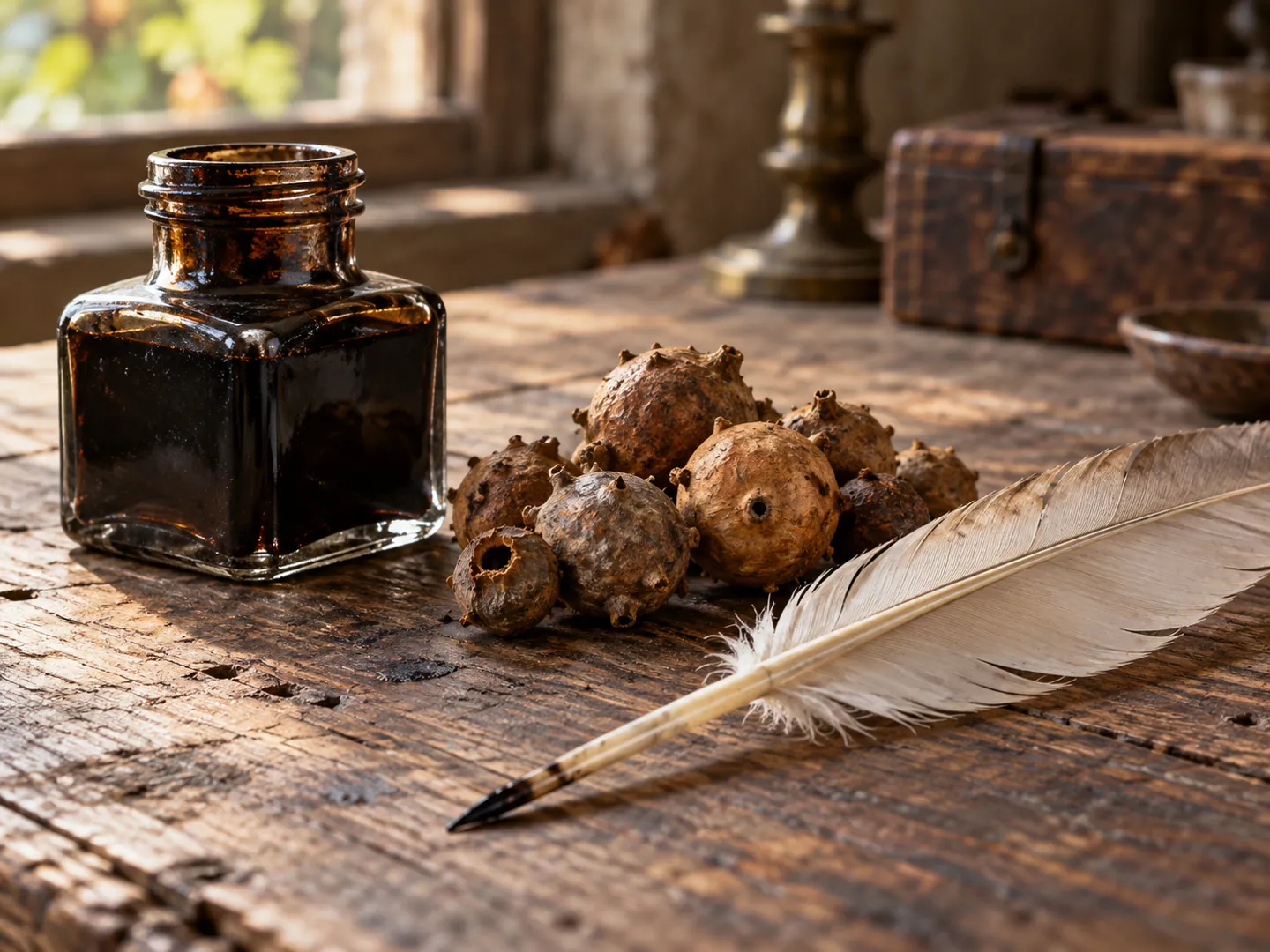
Oak galls, iron sulfate, water and gum arabic. Recipes often used more iron than the chemistry needed, which led to ink corrosion through oxidation and acid hydrolysis.
IRON GALL · LIBRARY OF CONGRESS
TWO NUMBERS WORTH KNOWING
One figure on the oldest ink we still use,
one on the recipe that damaged centuries of paper.
The ballpoint pen was patented in 1888 but was not widely available until the mid-1940s. For decades its inks used dyes, because pigments tended to clog the ball tip.
WILL IT LAST?
Pick a writing medium to see what preservation guides say about it. The bar shows how stable it is against light and damp.
Based on the University of Illinois Preservation Self-Assessment Program guide to inks and other media, and Library of Congress collections care advice.
THE SHORT ANSWER
Preservation guides agree on the basics.
Stable colourants, little light, no damp.
PENCIL
Graphite is a stable medium, though it smudges. The Library of Congress advises using pencil, not ink, to make any marks or inscriptions on works on paper.
Check your penIRON GALL
Made from oak galls and iron sulfate, it was the main Western writing ink from the 12th to 19th centuries. Too much iron leads to ink corrosion: brittle paper, sometimes riddled with holes.
See the numbersEVERYDAY PENS
Ballpoint and felt-tip pens often use dye inks, with poor light stability. Pigment inks, especially carbon black, are far more stable.
What to use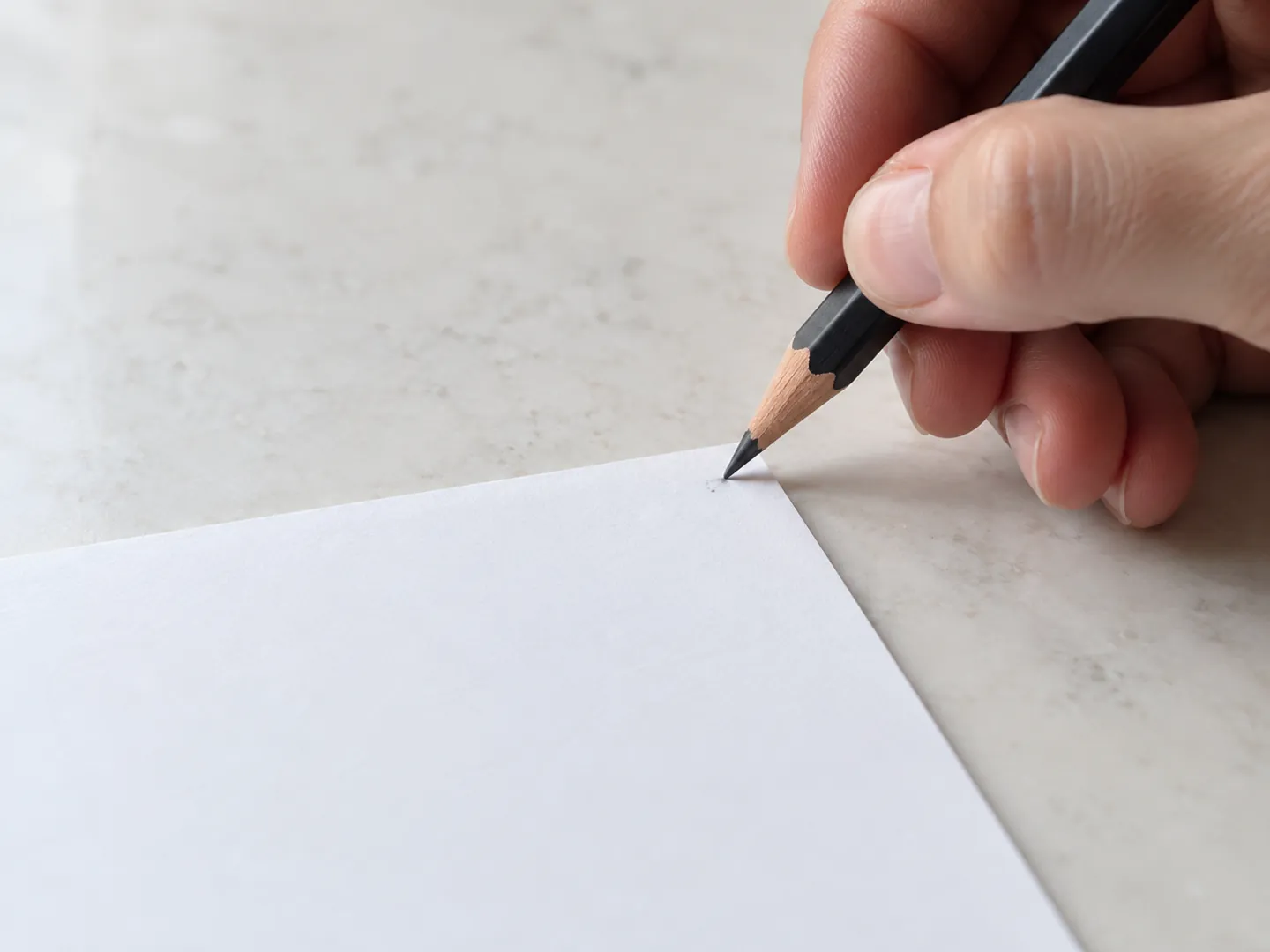
FOUR HABITS FOR PAGES YOU WANT TO KEEP
None of these needs special kit. They follow what preservation guides say about media, light and damp.
For notes on the back of photos, drawings or papers, use pencil, on a clean, hard surface so the mark does not emboss through.
For writing you want to keep, choose a carbon black or pigment ink over a dye-based pen.
All media can fade under extreme light. Give papers minimal light and no direct or intense light.
Dye inks bleed or run when damp, and carbon ink can smudge in high humidity. Store papers away from damp.
PAPER MATTERS TOO
Before the mid-19th century, Western paper was made from cotton and linen rags, with long, strong fibres. Wood pulp paper that replaced it has shorter fibres, and mechanical pulp keeps lignin, which promotes acid damage.
The Library of Congress notes that wood pulp paper from before the 1980s also tends to be acidic from the sizing added to stop inks bleeding. Light and oxidation damage paper too.
Questions
Ballpoint inks have poor light stability. The University of Illinois preservation guide notes black ballpoint can fade to blue and red to pink.
Graphite is a stable medium, so it does not fade like dye inks, but it can smudge and rub off. The Library of Congress advises pencil, not ink, for marks on works on paper.
Not for archives. The preservation guide says felt-tip pens and markers are not meant to be permanent, many colours fade in light and some fade even in the dark.
An ink made from oak galls, iron sulfate, water and gum arabic. It was the main Western writing ink from the 12th to 19th centuries, and too much iron can corrode the paper.
Preservation guides point to pigment inks, especially carbon black. Good quality carbon ink does not discolour with age, though it can smudge in high humidity.
Sources
ABOUT THIS NAME
doodlewrite.com is part of the DoodleSale portfolio. It isn't in an auction right now, but you can ask about leasing it.